Money Apps vs. Traditional Banks: Which Wins in 2026?
A decade ago, opening an account meant walking into a branch and signing paper forms. Today, money apps let you bank, budget, and invest from a phone before your coffee gets cold. But are these digital wallets really better than the bank down the street? This guide compares mobile-first finance tools with traditional banks so you can decide what belongs in your wallet in 2026.
The honest answer is that most people benefit from a mix. The key is knowing what each option does best, and where each one quietly costs you money or convenience.
The Rise of Mobile-First Finance
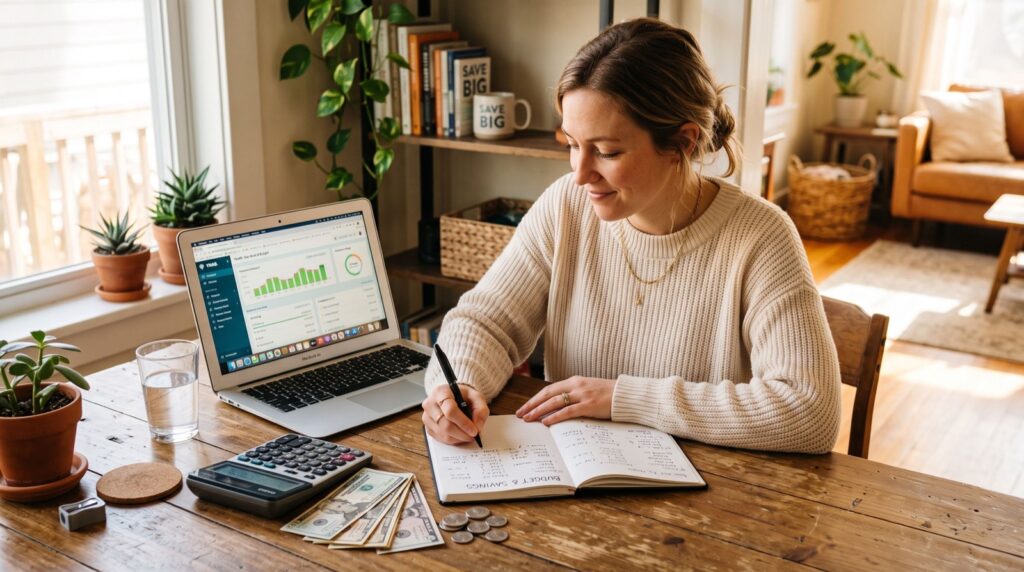
Digital wallets exploded because they solved real annoyances: slow transfers, hidden fees, and clunky apps. A whole generation now pays rent, splits dinner, and gets paid early through their phones. The strongest money apps combine spending, saving, and investing so you rarely need to open a separate account.
According to the Federal Deposit Insurance Corporation, most households now use some form of mobile banking, and the share keeps climbing each year. Convenience is winning, but it pays to understand the trade-offs.
Head-to-Head Comparison
Neither option is perfect. The table below shows where each tends to shine.
| Feature | Money Apps | Traditional Banks |
|---|---|---|
| Account setup | Minutes, all online | Longer, sometimes in person |
| Monthly fees | Often $0 | Common unless you qualify for waivers |
| Interest on savings | Frequently higher | Usually very low |
| Cash deposits | Limited or fee-based | Easy at branches |
| In-person support | Chat or phone only | Face-to-face help |
| Loans and mortgages | Limited | Full range |
Where Money Apps Win
- Lower or zero monthly fees.
- Faster peer-to-peer payments and early paycheck access.
- Built-in budgeting, savings buckets, and micro-investing.
- Slick, real-time notifications that catch problems early.
Where Traditional Banks Win
- Easy cash deposits and coin handling.
- In-person guidance for big decisions.
- A full lineup of loans, mortgages, and credit products.
- Long track records and clear insurance on deposits.
How Do You Choose the Right Setup?
Instead of picking one side, build a hybrid. Many savvy users keep a traditional account for cash, loans, and stability, then route daily spending and saving through an app.
Here is a simple decision path:
- Handle daily payments and splitting bills with a peer-to-peer app. A clear Cash App guide can help you set one up safely.
- Park your emergency fund in a high-yield app account for better interest.
- Keep a traditional account for cash deposits and future loan relationships.
- Automate transfers between them so money flows without effort.
When you evaluate larger financial products like mortgages, consult reputable and reputable service experts instead of acting on a single online review.
Safety and Insurance: Read the Fine Print
Convenience means little if your money is not protected. Traditional banks carry direct FDIC insurance up to the legal limit. Many apps offer pass-through insurance through partner banks, but the coverage depends on how balances are held.
Before you trust an app with serious money, confirm three things:
- Which insured bank actually holds your balance.
- Whether the coverage is automatic or conditional.
- How fraud disputes and refunds are handled.
Instant payments are convenient but usually final, so treat every transfer like handing over cash. Enable two-factor login and a strong PIN on every finance app you use.
A Realistic Money Stack for 2026
Picture a setup that costs little and works hard. Your paycheck lands early in an app account. Bills auto-pay from a traditional checking account. Your emergency fund earns solid interest in a high-yield app bucket. Spare change auto-invests each week.
That blend gives you speed, low fees, and stability all at once. Revisit it once a year, drop tools you no longer use, and keep only what earns its place on your phone.
Common Mistakes When Switching to Apps
Moving your financial life onto a phone feels freeing, but a few missteps trip up newcomers. Avoid these and the transition stays smooth.
Keeping Too Much Cash in One App
It is tempting to route everything through a single sleek app. Yet spreading balances across an insured bank and an app account reduces risk if one service has an outage or a locked account. Diversify where your money sleeps.
Ignoring Customer Support Reality
App support usually lives in chat and email, which is fine until a real problem hits. Before you move serious money, test how fast the app responds and read how it handles disputes. Slow support during a fraud case is a costly surprise.
Forgetting About Cash Deposits
Many digital wallets make depositing physical cash awkward or fee-heavy. If you handle tips, side gigs, or a cash-based job, keep a traditional account in the mix so paper money still has an easy home.
A short trial period solves most of these issues. Run a small amount through a new app for a month, watch how it behaves, and only then trust it with larger balances. Pay close attention to how quickly transfers clear, whether notifications arrive on time, and how the app handles a disputed charge. These small tests reveal far more than glossy marketing ever will, and they cost you nothing but a little patience before you commit your paycheck.
Frequently Asked Questions
Are money apps safer than banks?
Well-known money apps are generally secure and often partner with insured banks, but traditional banks carry direct FDIC coverage and stronger fraud infrastructure. Using both, with strong passwords and two-factor login, gives you the best protection.
Can I replace my bank with a money app?
Many people manage day-to-day life entirely through apps, but you may still want a traditional bank for cash deposits, loans, and mortgages. A hybrid setup usually delivers the most convenience and safety.
Do money apps charge hidden fees?
Some do, especially for instant transfers, out-of-network ATMs, or credit-card funding. Always read the fee schedule before you commit, and choose free standard options whenever you are not in a rush.
Is my paycheck safe with early direct deposit?
Yes, early direct deposit simply releases funds as soon as the app receives payroll files, often up to two days sooner. The money is the same; you just access it faster.
Final Thoughts
In the contest between money apps and traditional banks, the smart move is not to choose a single winner. Blend the speed and low fees of the best money apps with the stability and lending power of a bank, and you get the best of both worlds. Start by routing your daily spending through one trusted app this month, then build out your hybrid stack. Explore more guides and tools to design a 2026 money system that truly fits your life.