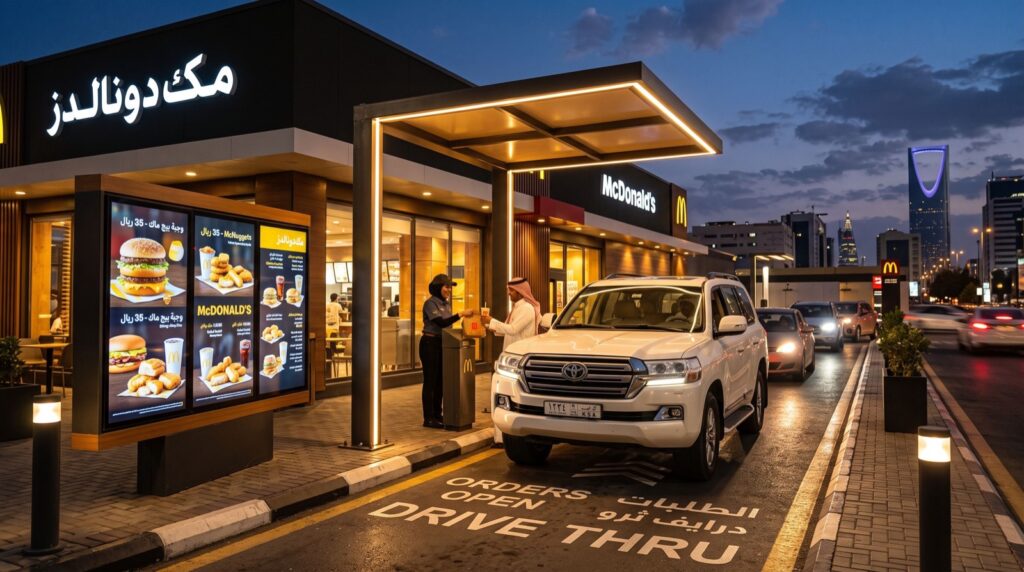
Drive Thru Systems in 2026: The Complete Technology and Hardware Guide
Drive thru systems have quietly become one of the most important investments a service business can make. In 2026, the lane is no longer just a speaker and a window; it is a connected network of screens, sensors, kitchen displays, and secure staff devices working as one. This guide explains how modern drive thru systems are built, which hardware matters, and how smart access control keeps the whole operation accountable.
From our installations across retail and quick-service sites, one truth stands out. The brands that treat drive thru systems as a complete platform, rather than a collection of gadgets, are the ones that cut wait times and keep their teams honest and efficient.
What Modern Drive Thru Systems Include
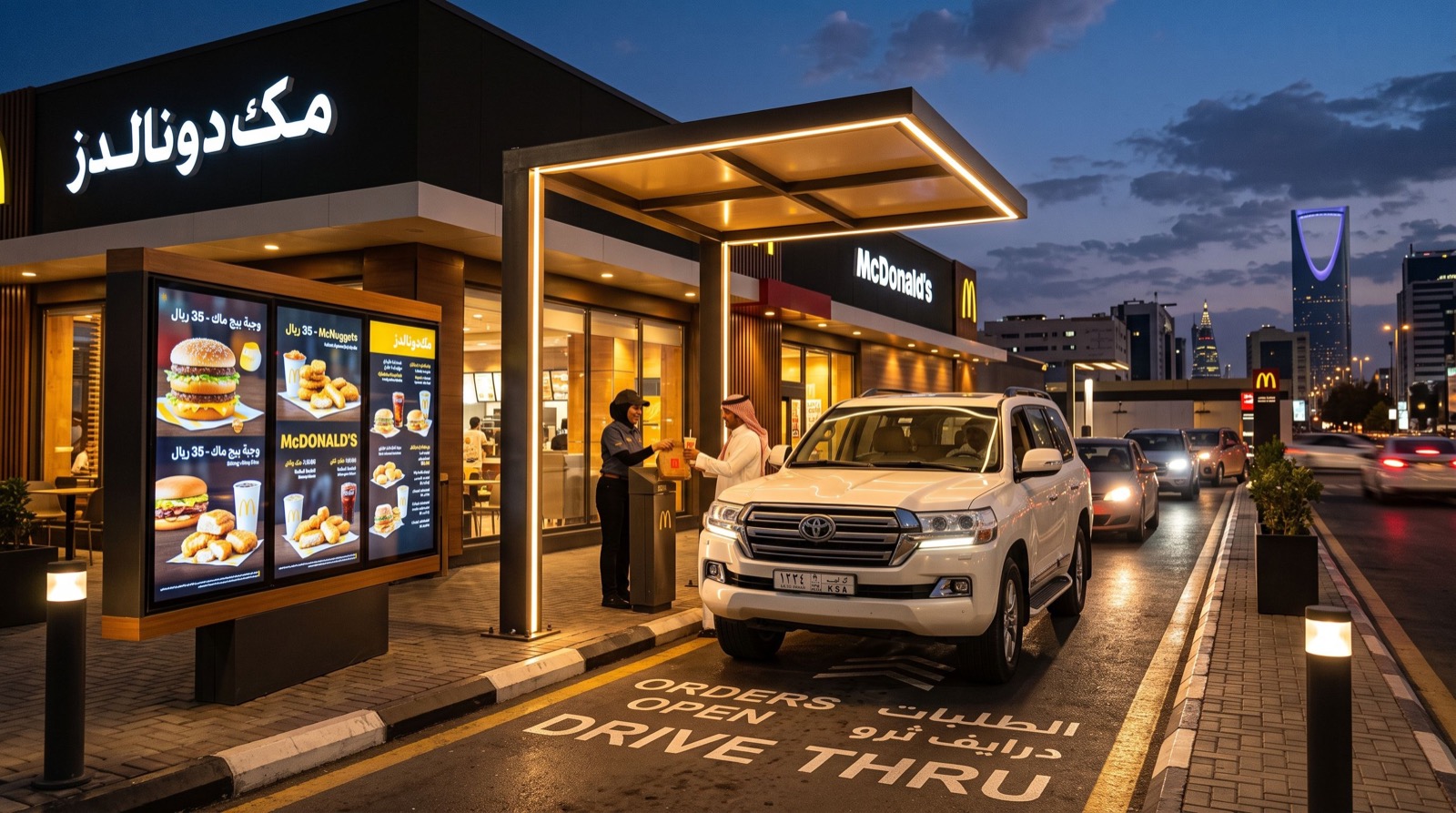
A full build connects the customer-facing lane with the back-of-house workflow. When these layers talk to each other, orders move faster and errors fall. The headline components are the digital menu board, the order confirmation screen, vehicle sensors, the kitchen display, and a central analytics hub.
Choosing a proven Drive Thru Systems package means these parts arrive pre-integrated, so you avoid the nightmare of stitching together mismatched hardware. Integration is where most DIY projects fail, and it is the single biggest reason to buy a tested solution.
The customer-facing layer
- Digital menu boards that switch offers by time of day.
- Order confirmation displays that show the order back to the driver.
- Noise-cancelling audio for clear, fast ordering.
- Vehicle detection loops that time each stage of the lane.
The back-of-house layer
- Kitchen display screens that route orders instantly.
- Analytics dashboards that reveal peak-hour bottlenecks.
- Secure staff terminals protected by biometric login.
Why Biometric Access Belongs in Drive Thru Systems
Here is the original insight most vendors skip: your lane is only as reliable as the people running it, and accountability starts at the login. Shared passwords and swipe cards get lost, borrowed, and abused. Biometric fingerprint readers tie every refund, void, and clock-in to a specific person.
Because of this, many operators now pair their lane hardware with affordable fingerprint devices. If you are researching Finger scanner devices prices in pakistan, you will find compact USB readers that handle staff authentication and time-and-attendance without a heavy budget. The payback comes from reduced shrinkage and cleaner audit trails.
Compliance and data security
Biometric data must be stored responsibly. Guidance from the National Institute of Standards and Technology stresses encrypting templates and limiting access, so choose a system that stores a mathematical template rather than a raw fingerprint image. This protects both your staff and your brand.
Comparing Drive Thru System Configurations
The right configuration depends on your volume and footprint. Use the table below to match a build to your site before you request quotes.
| Configuration | Hardware Focus | Ideal Site | Main Payoff |
|---|---|---|---|
| Essential | Audio, single menu board, KDS | Small or new sites | Fast, affordable launch |
| Performance | Dual boards, sensors, analytics | Busy suburban sites | Higher peak throughput |
| Secure Enterprise | Full stack + biometric access | Multi-branch operators | Accountability at scale |
Our rule of thumb is to buy one tier above your current volume. Growth is easier to absorb than a rebuild, and the extra headroom protects you during seasonal spikes.
How to Plan and Install Drive Thru Systems
A disciplined rollout beats a rushed one every time. Work through these steps in order.
- Survey the site for power, network, and lane geometry.
- Benchmark current lane times at every stage.
- Select a configuration tier with room to grow.
- Specify heat and dust rated outdoor hardware.
- Add biometric login for all back-of-house terminals.
- Train staff, then soft-launch before peak season.
For a smooth deployment, work with quality service providers who understand both the lane hardware and the security layer. A partner who handles cabling, integration, and training together removes the finger-pointing that plagues multi-vendor projects.
Maintenance that protects uptime
Schedule quarterly checks on screens, sensors, and readers. Dust and heat are the top causes of outdoor hardware failure in Gulf and South Asian climates, so a simple cleaning and firmware routine prevents most surprise breakdowns.
Real-World Workflow: A Day in a Connected Lane
It helps to picture how the pieces work together on a busy evening. A car rolls up and a vehicle loop logs its arrival time. The driver orders, the kitchen display lights up instantly, and a confirmation screen shows the order back to cut mistakes before they happen.
Meanwhile, every staff action behind the window is tied to a fingerprint login. When a shift supervisor approves a refund or a team member clocks in, the system records exactly who did what and when. If a discrepancy appears at close, the manager has a clean, timestamped trail instead of guesswork.
This is the quiet power of integrated drive thru systems. The customer sees a fast, accurate lane; the operator sees a secure, measurable operation. Neither experience is possible when hardware is bolted together from mismatched parts that refuse to share data.
Common mistakes to avoid
- Buying indoor-rated screens that fail in direct Gulf sun.
- Skipping vehicle sensors, which blinds you to real lane times.
- Using shared logins instead of biometric access control.
- Launching at peak season with no soft-launch pilot.
Each of these errors is cheap to avoid upfront and expensive to fix later. Planning around them is the difference between a lane that thrives and one that limps.
Measuring the Return on Your Investment
Track three figures after launch: average lane time, order accuracy, and shrinkage per shift. Well-run drive thru systems commonly cut peak lane time by a quarter and tighten accuracy above ninety-five percent. The biometric layer, meanwhile, shows up as fewer unexplained voids and cleaner attendance records within the first month.
Frequently Asked Questions
How much do drive thru systems cost in 2026?
Essential builds are affordable for a single site, while secure enterprise configurations with biometric access cost more upfront. Most operators recover the spend through higher throughput and reduced shrinkage within the first year.
Why add fingerprint scanners to a drive thru?
They tie every refund, void, and clock-in to a named employee. That accountability reduces internal loss and produces clean audit trails, which is invaluable for multi-branch operators managing many shifts.
Are fingerprint scanners expensive?
No. Compact USB fingerprint readers are among the most affordable security upgrades available, which is why checking current device prices before you buy is well worth the few minutes it takes.
Can drive thru systems scale across multiple branches?
Yes. Enterprise configurations centralise analytics and access control, so head office can monitor every lane and every login from one dashboard. This is the model fast-growing chains rely on.
Final Takeaway
The best drive thru systems in 2026 blend a fast customer lane with a secure, accountable back of house. Benchmark your waits, buy one tier above your current volume, specify weather-ready hardware, and add biometric login so every action has a name attached. Pair that discipline with experienced installers and you will serve more cars, lose less to shrinkage, and run a lane your whole team can trust.