Solar Panels in Pakistan: A Practical 2026 Guide to Panels and Batteries
Investing in solar panels in Pakistan is one of the most effective ways to cut electricity costs in 2026, but panels are only half the story. Pair them with the right battery bank and you get true energy independence — power that keeps flowing when the grid goes dark. This guide explains how modern panels and batteries work together, what to look for, and how to size a system that actually fits your home.
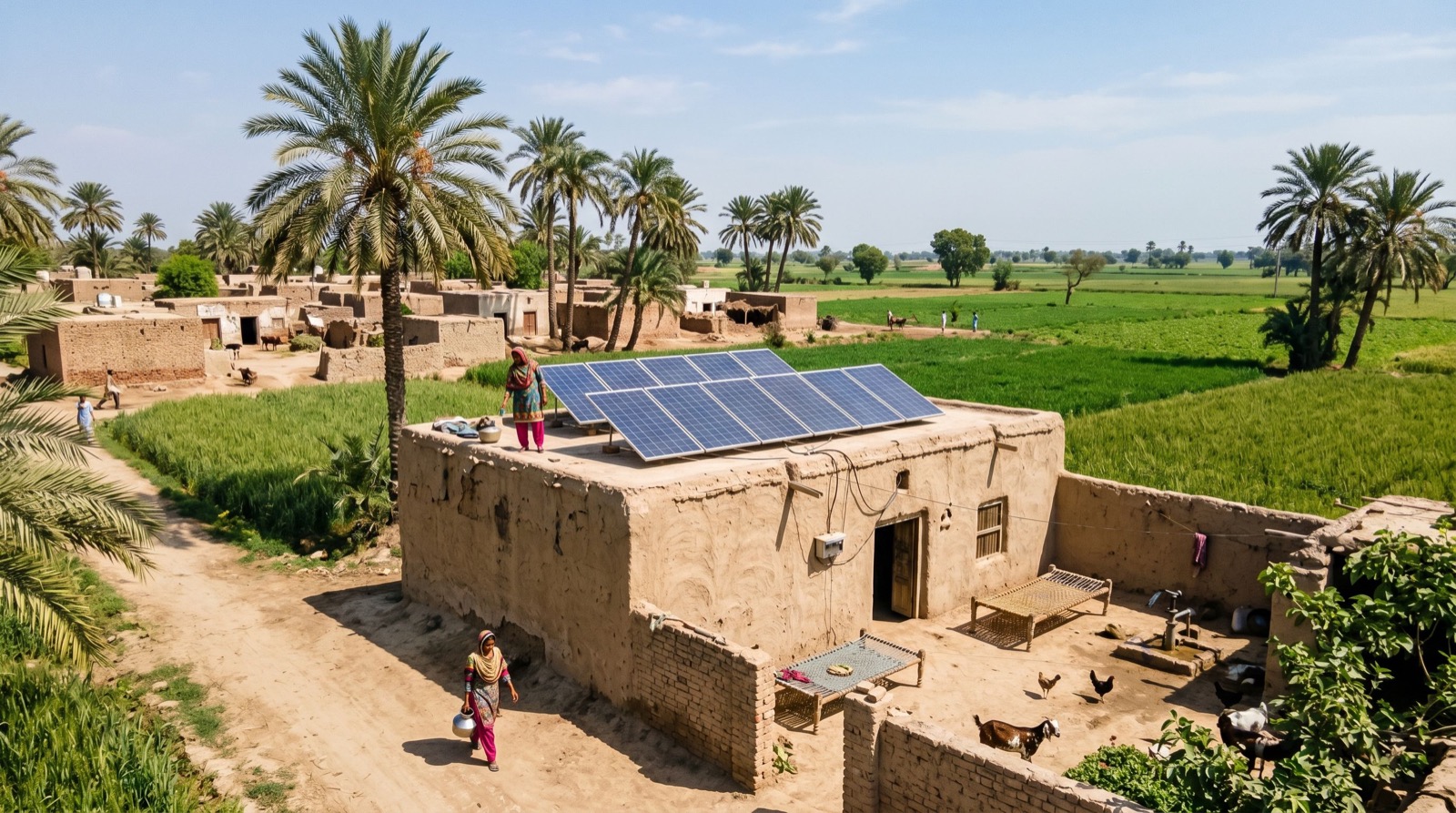
Across Lahore, Karachi, and Islamabad, rooftops that once sat empty are now quietly generating free electricity. The technology has matured, prices have fallen, and net metering has made the numbers hard to ignore.
Understanding Solar Panels in Pakistan Today
A solar panel converts sunlight into direct-current electricity using photovoltaic cells. The higher the panel’s efficiency, the more power you harvest from the same roof area — a real advantage where space is limited.
Pakistan enjoys around 300 sunny days a year, and the International Energy Agency reports that solar is now the cheapest source of new electricity in most markets. That combination makes panels an obvious choice for cost-conscious homeowners.
Monocrystalline vs Polycrystalline
Two panel types dominate the market, and knowing the difference saves money.
- Monocrystalline — higher efficiency, better low-light performance, sleek black finish, ideal for smaller roofs.
- Polycrystalline — slightly cheaper, marginally lower efficiency, a fine budget option where roof space is plentiful.
- Bifacial panels — capture light on both faces for extra yield on reflective rooftops.
Why Batteries Complete the System
Panels only produce power while the sun shines. Without storage, every unit you don’t use instantly is either exported or wasted. Adding solar batteries in Pakistan lets you bank daytime surplus and draw on it at night or during load-shedding, turning a good system into a genuinely resilient one.
Lithium-iron-phosphate (LiFePO4) batteries have become the 2026 standard for homes because they last longer, tolerate deep discharge, and need virtually no maintenance compared with older lead-acid units.
Panel and Battery Comparison
Use this quick reference to match components to your priorities before you buy.
| Component | Best For | Efficiency / Cycles | Maintenance |
|---|---|---|---|
| Monocrystalline panel | Small, shaded roofs | 20–22% | Minimal (occasional cleaning) |
| Polycrystalline panel | Large open roofs | 15–17% | Minimal |
| Lithium (LiFePO4) battery | Daily cycling & backup | 4,000–6,000 cycles | Almost none |
| Lead-acid battery | Tight upfront budgets | 500–1,200 cycles | Regular top-ups |
How to Size Solar Panels in Pakistan for Your Home
Getting the sizing right is the difference between a system that covers your bills and one that constantly falls short. Follow these steps.
- Check your usage. Review 12 months of bills to find your average daily kWh consumption.
- Account for sun hours. Most of Pakistan averages 5–5.5 peak sun hours per day.
- Divide to find panel capacity. Daily kWh ÷ sun hours gives the rough kW of panels needed.
- Add a battery buffer. Size storage for the hours you most need backup, typically evenings.
- Leave headroom. Add 15–20% for future appliances and panel ageing.
An experienced installer will refine these figures with a site survey, factoring in shading, roof angle, and orientation for maximum output.
Buy From Trusted Suppliers
The market has its share of counterfeit panels and relabelled batteries. Sourcing from quality service providers who offer genuine products, proper warranties, and local support protects you from costly early failures and keeps your system performing for decades.
Caring for Your Panels and Batteries
Solar equipment is famously low-maintenance, but a little care preserves output and extends lifespan. In Pakistan’s dusty climate, this matters more than many owners realise.
Dust and bird droppings can cut panel output by 10–25% if left unchecked. A gentle rinse every few weeks during dry spells restores performance. Avoid harsh brushes or abrasive cleaners that scratch the protective glass.
Batteries need attention too. Keep lithium units in a cool, ventilated space, since heat is the main enemy of battery life. Monitor the state of charge through your inverter app and avoid letting lead-acid units sit deeply discharged for long periods.
Seasonal Performance in Pakistan
Output naturally shifts through the year. Long summer days deliver peak generation, while shorter winter days and morning fog reduce it. Sizing your system with this variation in mind — and leaning on battery storage during weaker months — keeps your supply steady all year. Tracking monthly generation also helps you spot faults early, before they eat into your savings.
The Long-Term Payoff
A properly matched panel-and-battery system in Pakistan typically pays for itself within four to six years and then delivers largely free electricity for another two decades. With net metering, surplus daytime generation can even earn credits on your bill.
When your panels and batteries are chosen as a coordinated set rather than mismatched parts, efficiency and lifespan both improve — which is exactly why buying quality solar panels in Pakistan from a single dependable source pays off.
Net Metering and Solar Panels in 2026
One of the biggest reasons panel adoption keeps climbing is net metering. Under this arrangement, the surplus electricity your panels generate during the day flows back into the grid, and your meter credits you for it.
In practice, this means your rooftop earns money even when you are at work and using little power at home. Those credits then offset the units you draw at night, shrinking your net bill. For many households, net metering transforms solar from a cost-saving measure into a modest income source.
To benefit, you need a grid-tied or hybrid inverter and an approved bi-directional meter. Pairing net metering with a battery bank gives you the best of both worlds: sell surplus power for credits while still keeping a reserve for load-shedding. It is this flexibility that makes a well-chosen panel-and-battery system such a strong 2026 investment.
Frequently Asked Questions
How many solar panels do I need for a house in Pakistan?
Most homes need between 8 and 16 panels for a 4–6 kW system, depending on consumption. A load assessment gives an exact figure tailored to your usage.
Do I really need batteries with my solar panels?
Not always, but batteries are essential if you want backup during load-shedding or want to use your own solar power at night instead of drawing from the grid.
How long do solar panels last in Pakistan’s climate?
Quality monocrystalline panels last 25–30 years, retaining around 80% of output even at the end of their warranty period, provided they are kept reasonably clean.
Which battery is best for solar in 2026?
Lithium-iron-phosphate (LiFePO4) batteries are the best choice for most homes thanks to their long cycle life, deep discharge tolerance, and zero maintenance.
Conclusion
Solar panels and batteries are a proven, future-proof answer to Pakistan’s rising energy costs and unreliable supply. Choose efficient panels, pair them with a dependable lithium battery bank, and size the system to your real usage for maximum savings.
Take the next step today. Contact M-Tech Solar Solutions for a free site assessment and a tailored panel-and-battery quote that fits your home and your budget.